How to Design a Harmonious Living Room
In my experience, when someone asks for help designing their living room, they rarely begin by telling me what colour sofa they want. More often, they talk about wanting a home that feels good to return to. A place where they enjoy spending time, whether alone or with the people they love. A space where a Sunday afternoon coffee, a good book, or an impromptu dinner with friends naturally finds its place in everyday life.
For me, a well-designed living room is the heart of the home. It is not simply a beautiful space; it is where family members connect, where shared memories are created, and where there is also room for rest and restoration.
Over the years, I have noticed that the most beautiful living rooms are always the result of thoughtful planning, where every design decision supports the lifestyle of the people who live there.
A Harmonious Living Room Always Begins with People
Before I begin designing, I focus on the people who will live in the space—their routines, habits, and preferences.
Do they enjoy entertaining guests? Does the family gather together often? Is there someone who regularly reads in the living room? Do they enjoy watching films together? Would it be valuable to create a quiet corner where someone can retreat for an hour of calm and solitude?
True harmony emerges when a space is not only aesthetically pleasing but also supports the life unfolding within it.
I love distinctive textures, beautiful natural stones, tactile fabrics, timeless designer furniture, and the details that give an interior its character. Yet I believe a living room only becomes truly successful when beauty and functionality work hand in hand.
A sofa may look stunning, but if it becomes uncomfortable after thirty minutes, its beauty quickly loses value. A room may appear impressive, but if everyone eventually gathers around the kitchen island because that is where they feel most comfortable, the living room is not fulfilling its purpose.
Every Space Needs a Focal Point
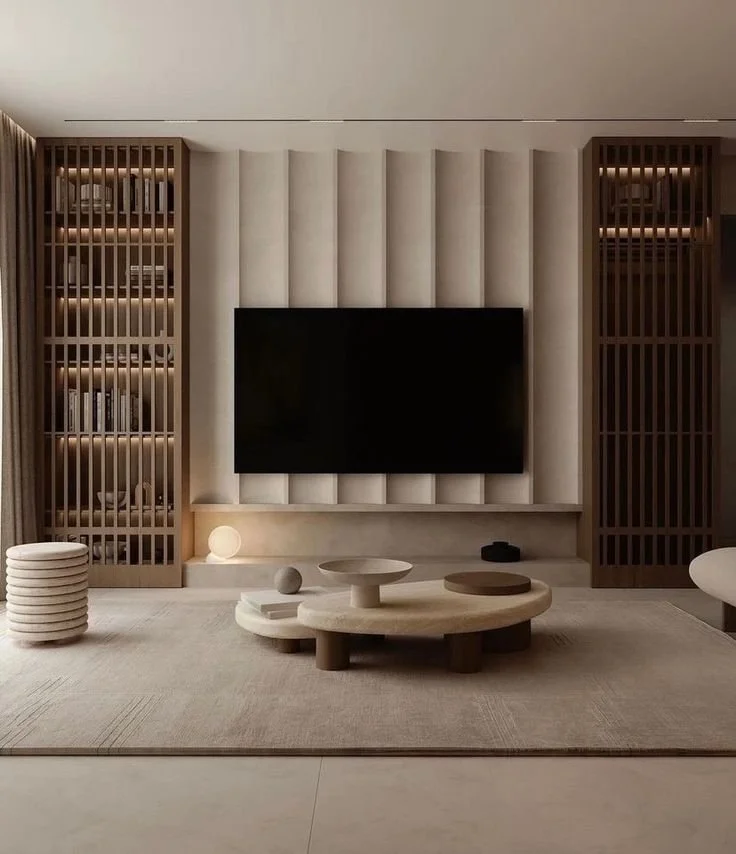
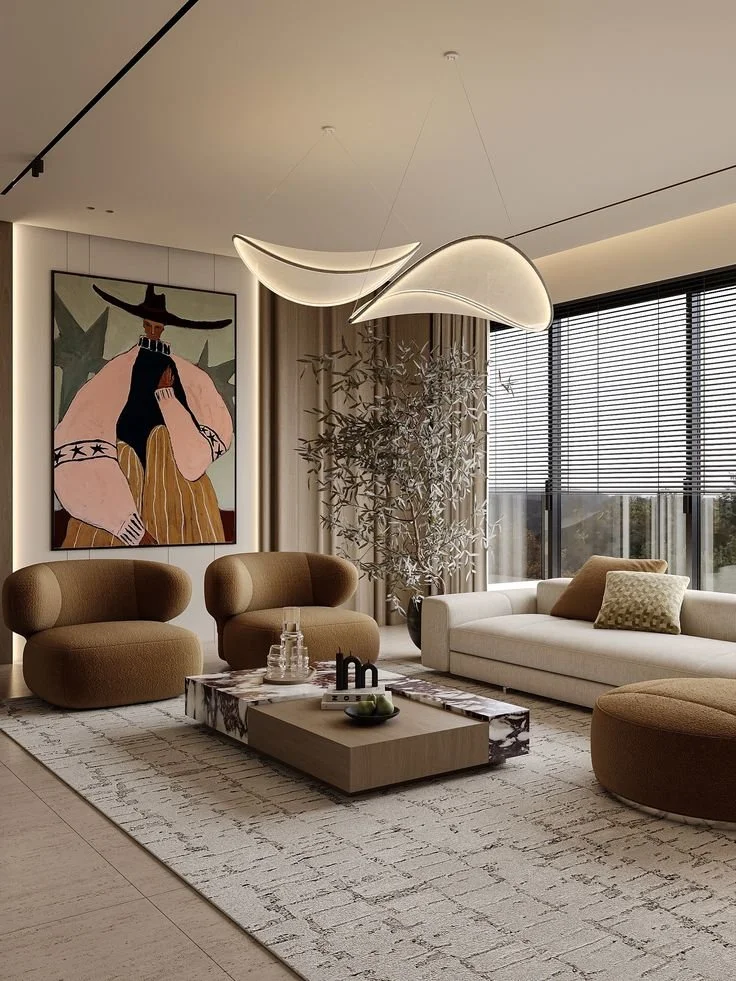
One characteristic that harmonious living rooms share is the presence of a natural focal point. This might be a fireplace, a striking piece of artwork, an impressive bookcase, or even a beautiful view. A focal point serves a purpose far beyond aesthetics. It creates visual order, gives the eye a place to arrive and rest, and establishes a sense of balance within the room. A well-chosen focal point brings calm and cohesion while helping the entire interior feel connected.
As a designer, I therefore pay particular attention to identifying the element that will define the character of the space from the earliest stages of concept development. It becomes the anchor around which the living room’s story unfolds.
Why Pinterest Isn't the Final Answer
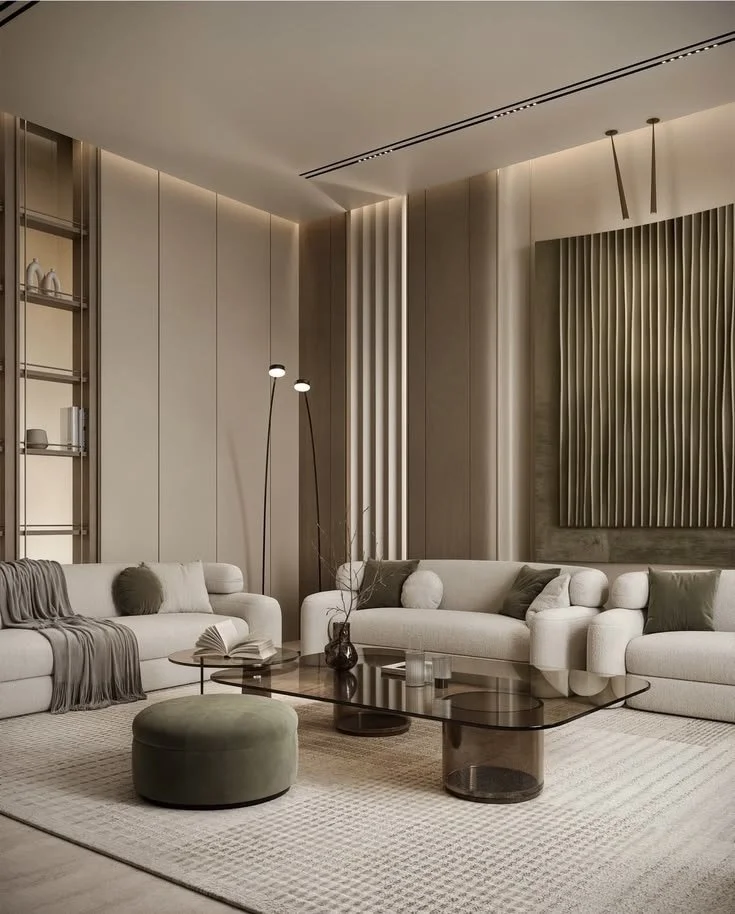
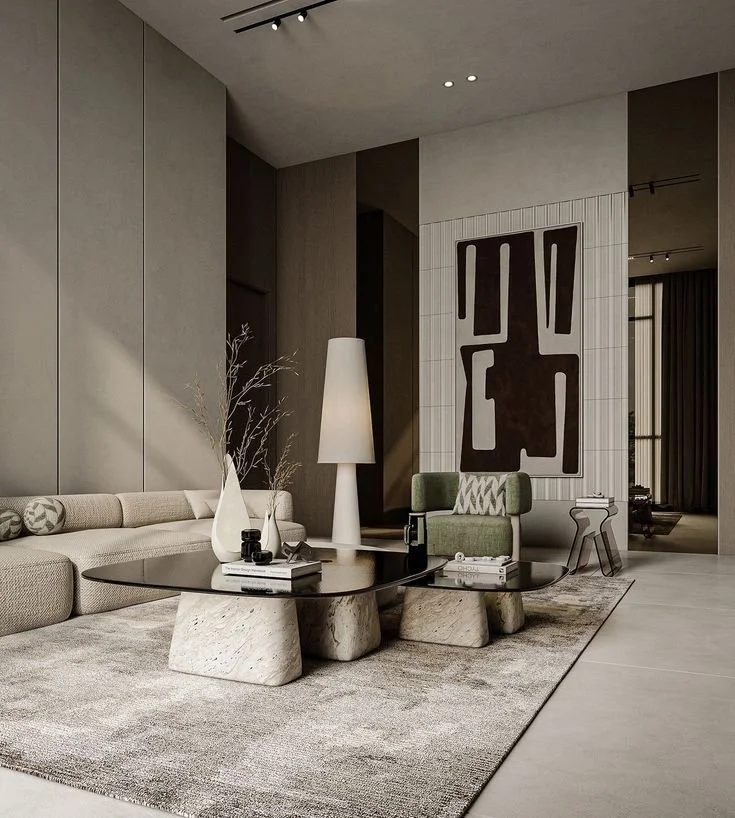
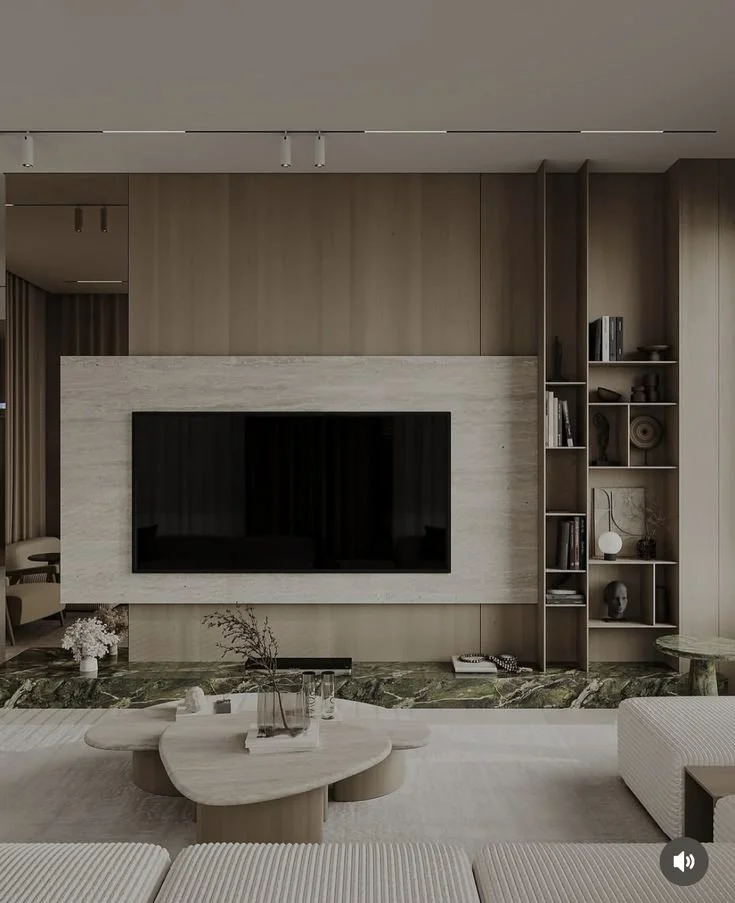
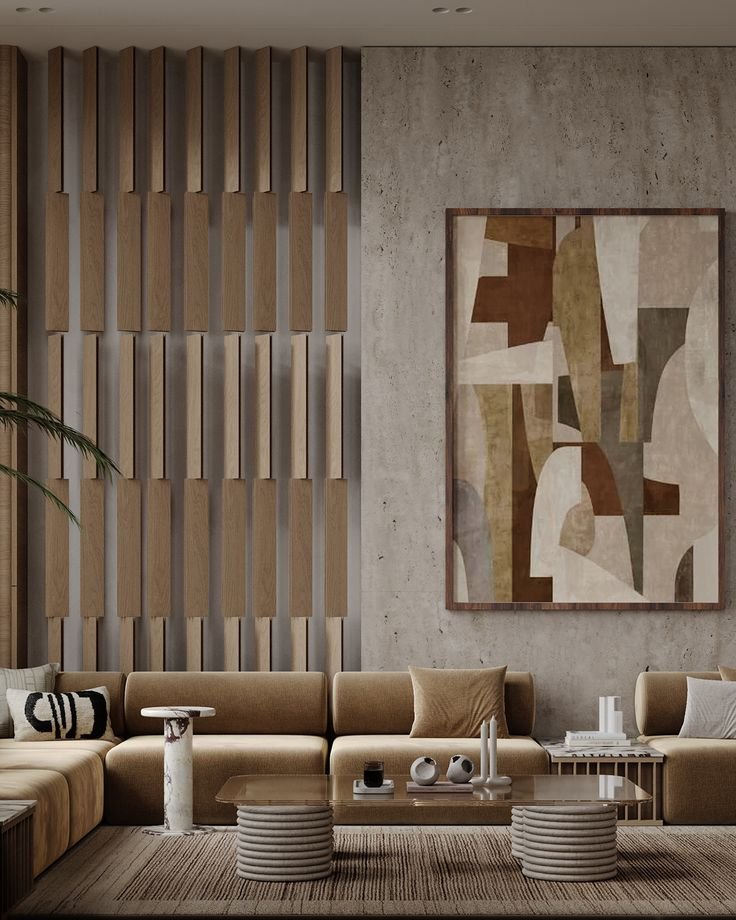
Even I can lose hours scrolling through Pinterest. It is an incredible source of inspiration. The difficulties usually arise when we try to recreate a beautiful interior exactly as it appears in a photograph. Behind every successful image are countless factors that the camera does not reveal… the proportions of the room, ceiling height, the direction and quality of natural light, circulation routes, and the daily routines of the people living there. Because of this, the same furniture arrangement or colour palette can feel awkward or disproportionate in a different home. Instead of asking how to copy a space, I encourage people to ask a different question: What exactly do I love about this image? Is it the colours? The materials? The lighting? The layout? The atmosphere?
When we adapt those qualities to the unique conditions of our own home, the result feels far more personal and enduring than imitation ever could.
A Living Room That Came Back to Life
Several years ago, I worked on a large apartment whose living room perfectly illustrated how size alone does not guarantee a successful space. The room measured nearly fifty square metres and seemed to have everything one could want. It was spacious, bright, and beautifully furnished. Yet the family hardly used it. The children mostly ran through it. Guests preferred spending time elsewhere in the house. The room felt more like a passage than a destination. When I visited the property, it quickly became clear that the issue had nothing to do with size. The living room functioned as one large, undefined space. It lacked the functional zones that naturally invite people to use a room. The solution required no construction work and no major renovation. Instead, we reimagined how the space could support different moments of daily life. We created an intimate conversation area with two generous sofas, added a smaller dining setting for informal gatherings, and gave new purpose to a beautiful antique daybed by transforming it into a reading and relaxation corner. Elsewhere, two armchairs formed a more private conversation space. The square footage remained exactly the same. Yet the room acquired an entirely different character. The family began using the various zones. The space filled with life and became a true gathering place. This is one of the aspects of design that fascinates me most. We are not simply shaping rooms. We are creating environments that support everyday life and transform the way a home is experienced.
The Invisible Luxury of Comfortable Circulation
One of the defining qualities of a well-designed living room is effortless movement. The usability of a space is determined not only by furniture and aesthetics, but also by how naturally people can move through it.Primary circulation routes should remain clear and unobstructed, allowing movement between different functional areas without interruption. When proportions and furniture placement work in harmony, circulation becomes almost invisible.
Materiality as the Foundation of Character
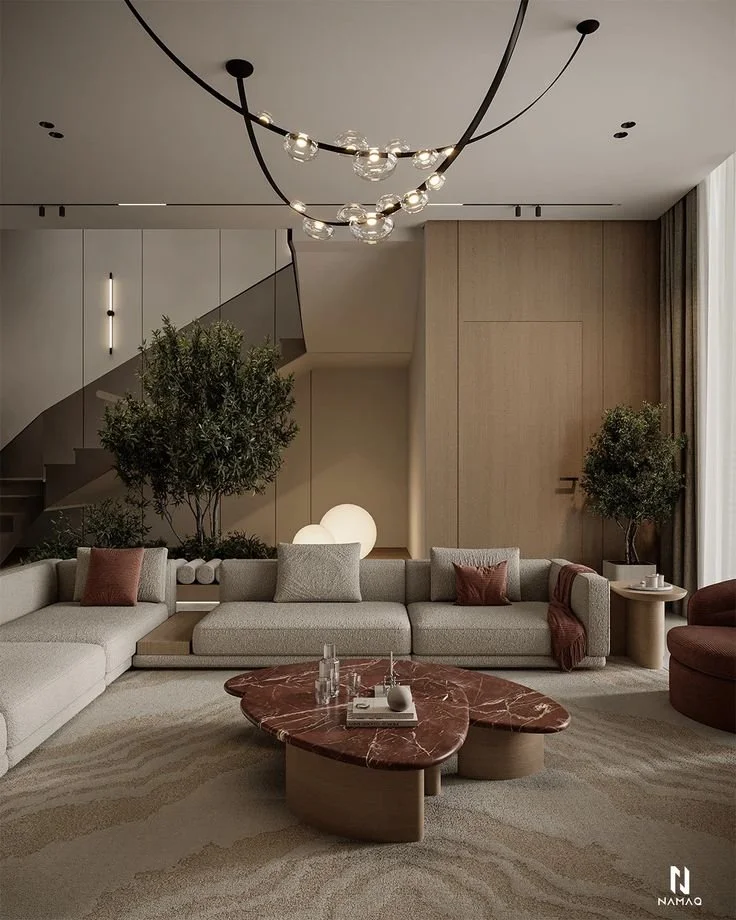
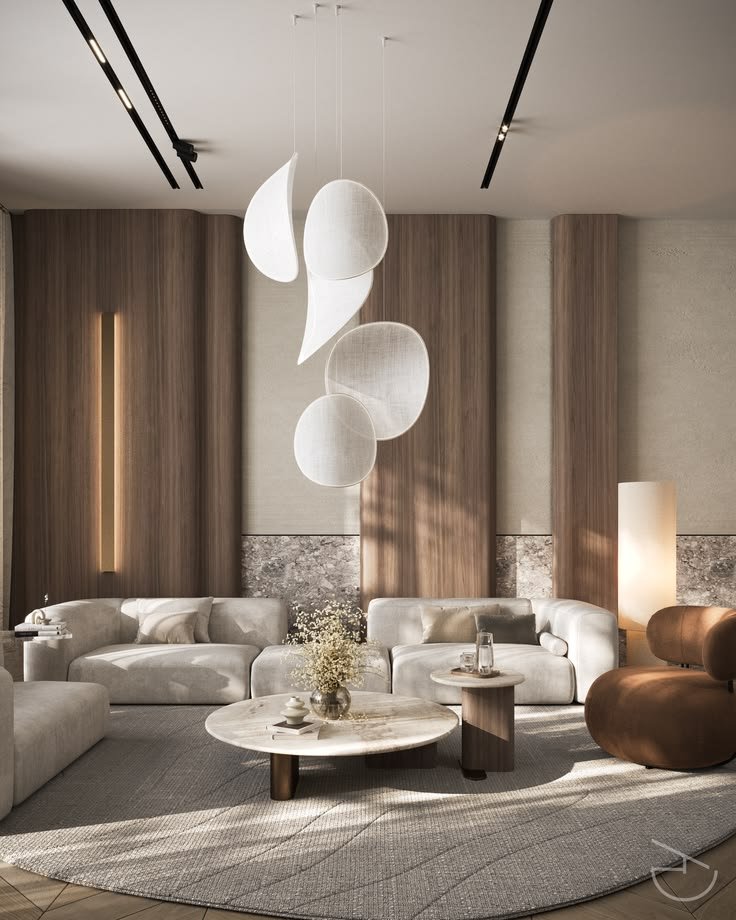
Material selection is one of the most important layers of interior design. Materials shape the atmosphere of a space, define its sensory quality, and influence how beautifully it ages over time. Natural materials play a particularly important role. Solid wood develops a rich patina. Natural stone introduces unique patterns and depth. Linen, wool, and cotton add a tactile softness that is difficult to replicate with synthetic alternatives. In thoughtful interior design projects, we are not simply searching for beautiful surfaces. We are creating compositions where materials respond to one another, interact with light, and retain their value for years to come. This quality may not immediately draw attention to itself, yet it profoundly influences how we feel in a space every single day.
Lighting as a Design Tool
When designing a living room, lighting is one of the most important building blocks of the interior. While furniture and materials reveal their true character in daylight, the evening atmosphere of a room is shaped almost entirely by light. A professional lighting concept is always layered. General lighting provides overall functionality but rarely creates a refined atmosphere on its own. This foundation is complemented by task lighting, such as reading lamps or lighting for conversation areas, as well as accent lighting that highlights architectural features and decorative elements. Well-positioned light can bring texture to life, emphasise natural materials, add depth to a room, and establish visual hierarchy. A travertine wall, a beautifully grained timber surface, or a piece of art takes on an entirely different presence when illuminated thoughtfully. Lighting guides the eye, draws attention to important elements within the composition, and allows the same room to feel different throughout the day. It is one of the most powerful tools for creating depth and sophistication.
Create Your Home with Confidence
In many homes, the living room becomes the natural setting for shared moments. It is where the family gathers at the end of the day, where long conversations unfold, films are watched together, books are enjoyed in quiet afternoons, and unexpected guests are welcomed. Proportions, materials, carefully selected furniture, and thoughtful lighting all matter. Yet ultimately, the success of a living room is measured by something much simpler. Does it invite people to spend time there? The interiors I find most successful always possess a certain ease. You instinctively want to sit down, stay awhile, talk, relax. No matter how important materials, proportions, or furnishings may be, they are not what ultimately defines the value of a living room. What matters most is whether the space creates room for the everyday moments that eventually become our most treasured memories.
If you're currently planning a renovation, furnishing a new home, or simply trying to make better design decisions, you may find my interior design guide helpful. This 101-page digital guide was created from more than a decade of professional interior design experience and is designed to help homeowners understand the principles behind beautiful, functional, and harmonious interiors. Rather than offering endless inspiration images, it explains the thinking behind successful spaces — from layout planning and furniture placement to materials, lighting, colour palettes, and creating a cohesive design concept. Whether you're choosing finishes, planning a room layout, or trying to avoid costly mistakes, the guide provides practical knowledge you can confidently apply in your own home. Available as an instant PDF download. Create Your Home with Confidence – €29