Lighting That Shapes a Home
In my experience, the most common sense of “something missing” in a completed interior rarely comes from light itself. Light defines the rhythm of a space, directs focus, deepens textures, and with a single stroke, can create a feeling of calm. When we work with conscious lighting design, interiors become not only beautiful but also supportive of your daily habits, gentle on your attention, and quietly enhance the quality of life.
Modern interior design today is about engaging the full spectrum of perception. Visual aesthetics are elevated by the quality, direction, color temperature, and controllability of light. With changing work rhythms, hybrid lifestyles, and increased screen time, the evenings you spend at home have gained new significance. Thoughtfully layered lighting doesn’t just illuminate a room, it fosters long-term calm, focus, and tangible comfort.
What exactly does lighting design involve? It’s the intentional composition of natural and artificial light, integrating function, sensation, and visual rhythm. The goal is for every space to perform harmoniously throughout the day: energizing in the morning, supporting focus during the day, and gently slowing down in the evening.
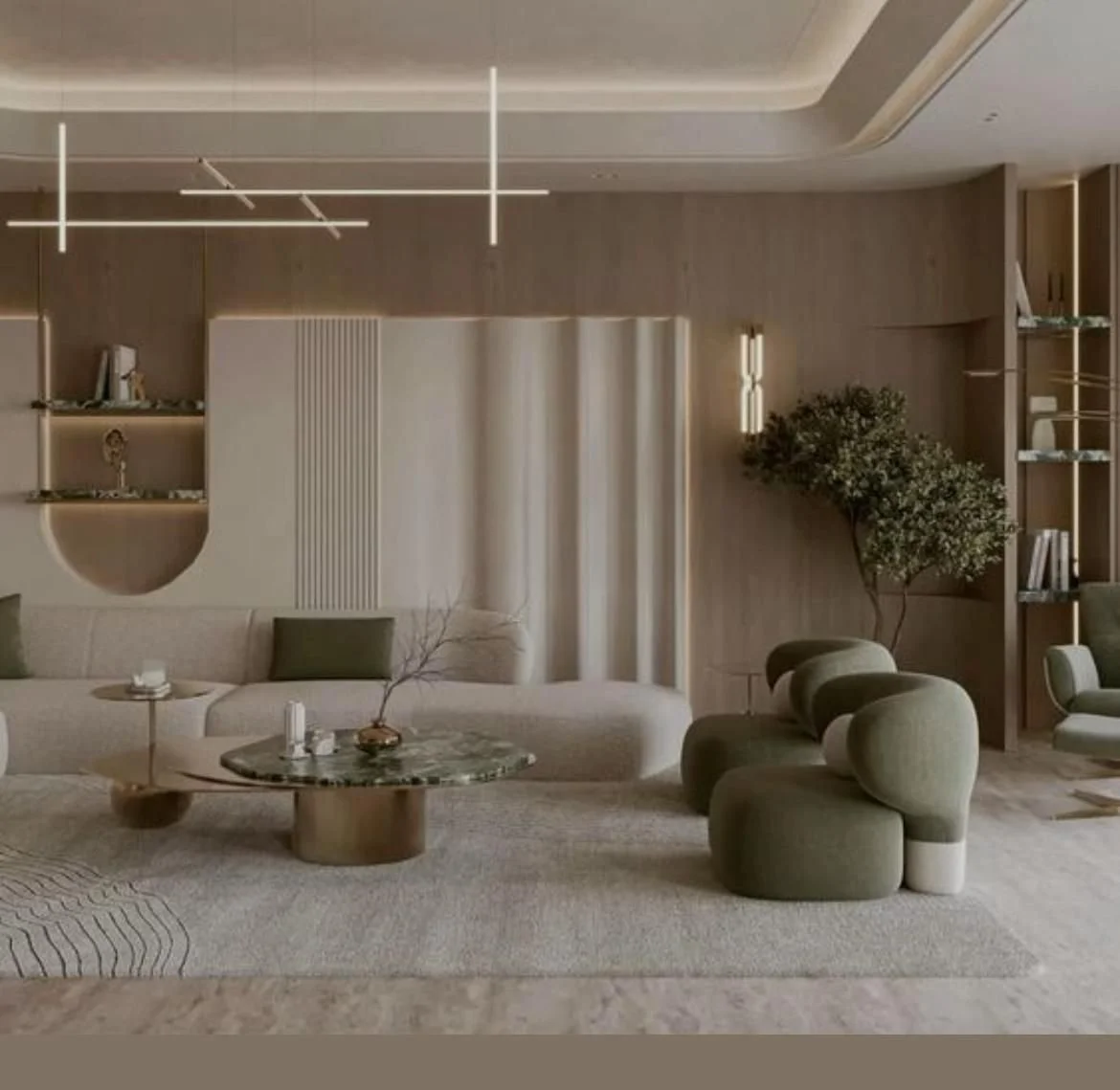
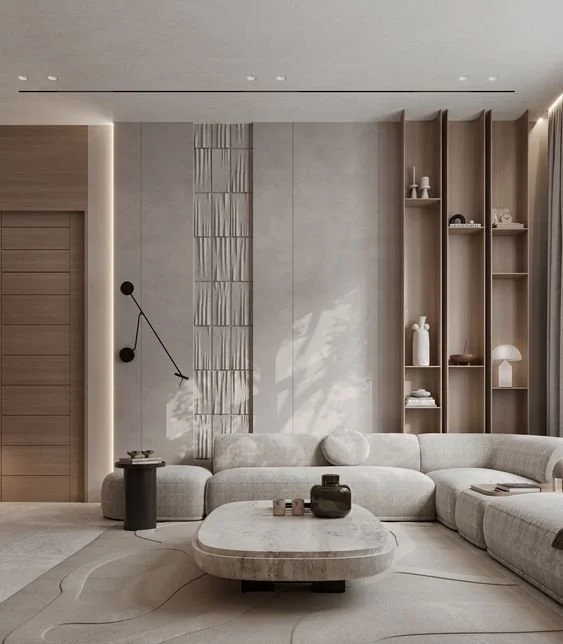
Sunlight as an Invisible Design Partner
Natural light is the most noble “material” I work with. At the beginning of each project, I map how sunlight travels through the home. Its angle, reflection points, and where it diffuses softly.
Practical steps you can start applying immediately:
Light Path Journal: Over two days, photograph each room from the same angle at three time slots (morning, noon, evening). You’ll clearly see where the light energizes the space and where it fades.
Refining Shades: Sheer linen or cotton curtains in living areas, denser blackout fabrics in bedrooms. The goal isn’t darkness, but softening tones.
Surface Selection: Matte paint on large walls to reduce glare, silk-finish stone or microcement where reflections enhance the texture.
Pro Tip: For tall windows, mount the curtain rod on the ceiling rather than above the frame. This transforms the curtain into a vertical “light shaft” and visually elongates the space.
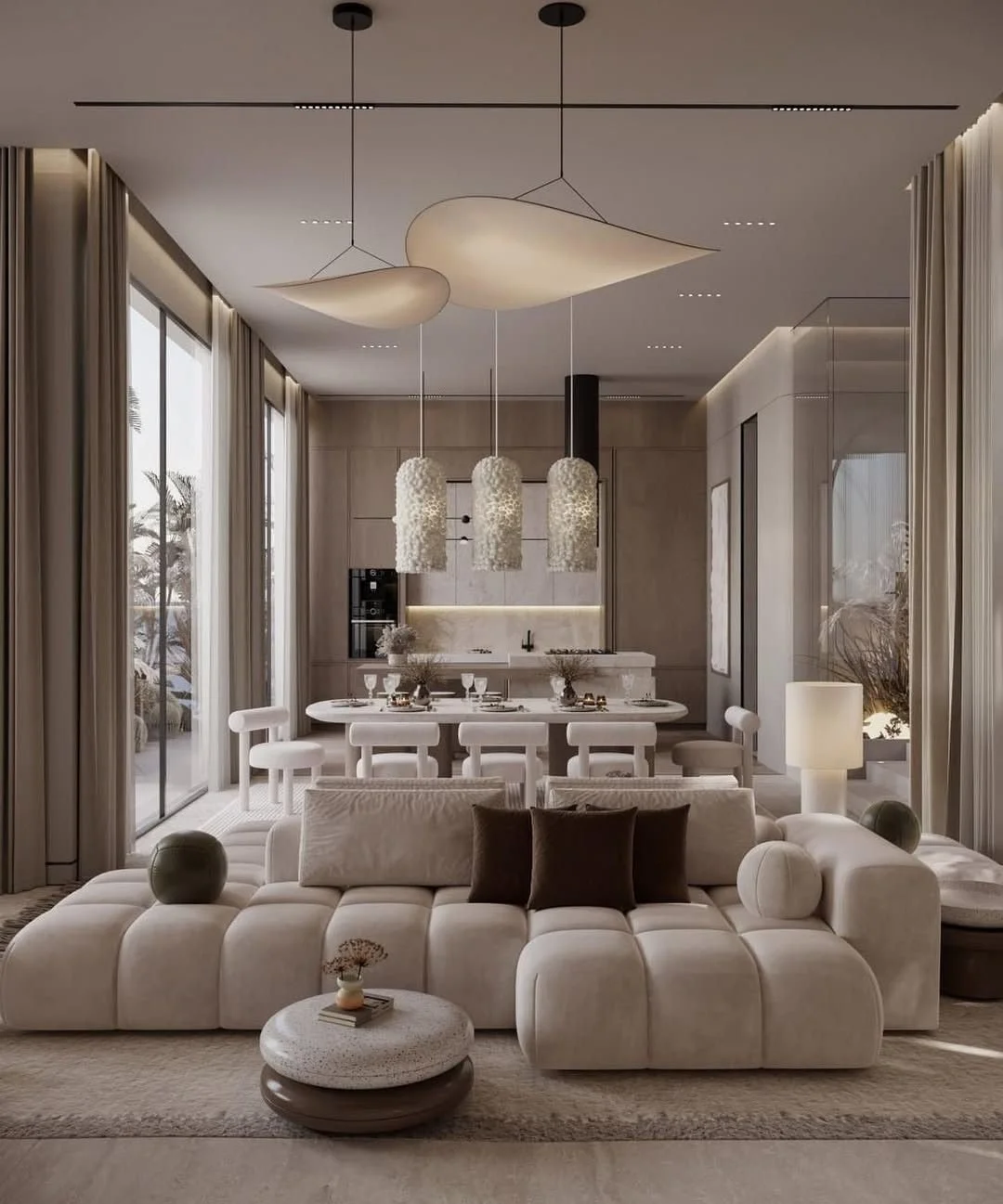
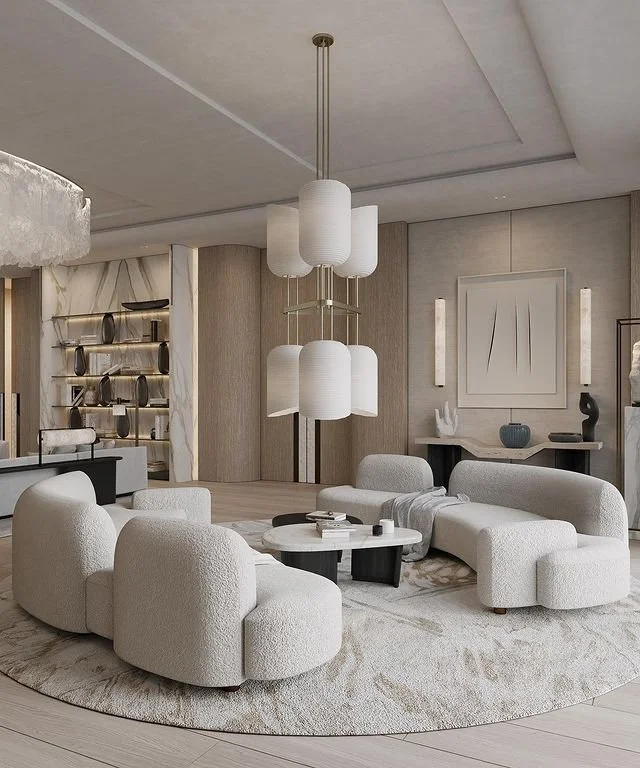
Layering Light – Three Levels That Bring a Space to Life
Layered lighting is a cornerstone of modern interior design. I work across three levels, always starting from function Ambient Light ensures every part of the room is usable without harsh glare. Common solutions: hidden LED profiles on ceiling coves, track systems with adjustable spots, ceiling-mounted fixtures providing soft, diffused light. Light should not only fall downward. Wall-wash solutions visually expand spaces, smooth imperfections, and create a neutral backdrop for furnishings. Task Light Supports specific activities, kitchen counters, reading corners, mirrors, closets. Adjustable color temperature and brightness are crucial here.
Practical Recommendations:
Kitchen Counter: Continuous LED strips between 3000–3500 K, high CRI (90+), with matte diffuser to reduce glare.
Reading Corner: Adjustable floor lamps, 2700–3000 K, 36–60° beam angle.
Mirror: Vertical lighting on both sides at eye level for shadow-free, uniform illumination.
Accent & Mood Light are decorative lights: wall sconces, subtle LED strips in display cabinets, low-intensity table lamps. The goal is a layered, dimmable system that can be transformed into different “scenes.”
Practical Tip: Three core scenes work in most homes. Arrival (soft, enveloping base light), evening conversation (lower, focused lighting), reading/work (strong, functional task lighting).
The quality of light determines whether a space soothes or exhausts. Always check three parameters. Color Temperature (CCT) is important. In morning 3000–3500 K for energy, evening 2700–3000 K to slow down. Too cool light can create tension at night. Color Rendering Index (CRI) is the best if you choose 90+ for lifelike wood tones and fabric nuances. Glare (UGR) protects visual comfort. Avoid direct point sources at eye level; use matte optics, edge lighting, and indirect solutions.
Good lighting design completes the dialogue between surfaces and light. Travertine or limestone gently refracts light, walnut and oak warm the space, and bronze or opal glass creates soft halos.
Evening light is the most delicate layer of a home’s ambiance. As the sun sets, lighting should calm rather than compete with the day’s rhythm. Soft, warm, multi-directional layers release tension and invite relaxation.
Three Evening Scenes That Make a Home Feel Complete:
Arrival: Soft perimeter lights and a few low-intensity lamps transition you from outside to internal calm.
Dinner: 2700–3000 K shadow-free light above the table creates intimacy. A sculptural pendant elevates the scene into a visual artwork.
Closure: Hidden lights along stairs, cabinets, and fireplace subtly end the day. Light now draws around the soul of the home, not just the ceiling.
Smart controls are key: a dimmable system with three to four stored scenes ensures effortless alignment with daily rhythms.
Carefully composed lighting is not just aesthetic, it elevates life quality. A dimmable, scene-based system invisibly reduces energy use while providing the right atmosphere at every moment. It makes the home photogenic, inspiring, and desirable. Well-defined scenes free mental energy: no searching for switches, light naturally aligns with your rhythm.
How We Collaborate on Light – An Inspired, Co-Created Process
Every project begins with a conversation. We map your lifestyle, rhythm, and the moods you want your home to convey. From there, we co-create, sketching the space’s light, observing natural paths, layering concepts, and curating atmospheres. Our focus is not a technical checklist, but the senses, rhythm, and story. Lighting becomes a daily experience: morning inspiration, evening calm, every moment harmonized. For us, lighting design is not merely technical, it’s the orchestration of a home’s emotional dimension. When layers, materials, and proportions align, spaces transcend function. A quiet dialogue emerges between person and environment, creating a harmony that makes a house truly feel like home.
If you’d like your home’s lighting to be an integral part of its story, we invite you to explore our Flow & Function service, where every layer of light and material is carefully curated to support your daily rhythm and well-being.
For a deeper dive into creating calm, beautiful interiors yourself, discover our e-book: The Foundations of a Calm & Beautiful Home filled with insights, practical tips, and inspiration to bring harmony and flow to every room.